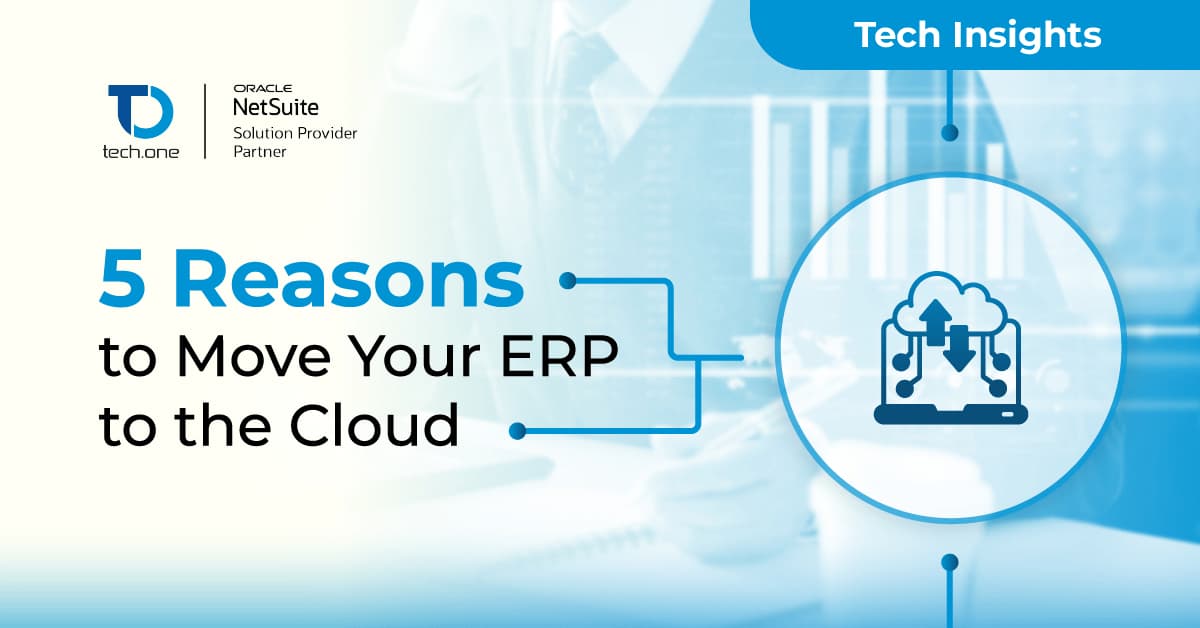
5 Reasons to Move Your ERP to the Cloud
Picture a distribution business in Cebu that relied on an on-premise ERP for years. It handled finance, inventory, and operations well enough until growth came. As more branches opened, costs rose, reporting slowed, and managers struggled to get a clear view of the business.
Stories like this are becoming familiar across the Philippines. From manufacturers in Laguna to retailers in Iloilo, many companies are realizing their ERP systems are holding them back. That is why more organizations are moving to the Cloud ERP. With cloud migration, they are cutting costs, gaining flexibility, and preparing for future growth.
So, why move to cloud-based ERP solutions? Let’s break down five reasons that matter now.
1. Lower Costs and Better Resource Management
Running ERP on in-house servers means paying for hardware, software licenses, IT staff, power consumption, and storage space. Add to that the cost of upgrades every few years, and the total often becomes unsustainable for small and mid-sized businesses. Many organizations end up allocating funds to keep the system running instead of supporting new growth initiatives.
With Cloud ERP, expenses move to a subscription model. Instead of spending heavily upfront, businesses pay monthly or annually based on their usage. This not only makes budgeting easier but also allows leaders to redirect funds to areas that directly impact customers and operations.
Recent studies show that companies moving to the cloud report 30 to 50% IT cost savings in the first year. More than half of them achieve ROI within 12 months. For Philippine businesses that often work within tight margins, these savings can mean more investment in hiring talent, expanding to new regions, or building customer loyalty programs.
2. Greater Flexibility and Accessibility
On-premise ERP limits users to office-based access. If staff are not connected to the company network, they cannot retrieve data or update records. For businesses that operate across multiple regions, this results in delays and missed opportunities.
With Cloud ERP, employees can log in securely from anywhere using a laptop, tablet, or phone. A manager traveling abroad can approve expense reports instantly. A warehouse supervisor in Pampanga can check stock levels in real time. A sales team in Davao can update customer orders while meeting clients. Everyone works with the same data, which improves collaboration and speeds up decision-making.
For Philippine companies, this accessibility is more than convenience—it is about staying competitive in a market where customers expect quick responses and accurate service. Teams no longer wait for overnight reports or manual updates. They see what is happening in the business as it happens.
3. Faster Migration and Automatic Updates
One of the biggest hesitations about moving to Cloud ERP is the fear of a long, disruptive migration. While this was true in the past, today’s ERP providers have streamlined the process. With careful preparation, migration can be completed in a matter of weeks, not months. This includes data cleanup, user training, and phased rollouts to minimize disruptions.
The real advantage comes after migration. Cloud ERP systems update automatically, ensuring businesses always have access to the latest features and compliance requirements without needing downtime or additional upgrade fees. This reduces IT headaches and ensures the system stays current.
By 2025, ERP providers like Oracle NetSuite are going further by including real-time analytics and forecasting tools as standard features. This means leaders no longer have to wait until the end of the month for consolidated reports. Instead, they have dashboards that track performance instantly—whether it is sales, expenses, or employee productivity. This shift allows businesses to respond quickly to market changes and internal challenges.
4. Stronger Security and Compliance
Securing an on-premise ERP system is challenging and expensive. Companies must invest in firewalls, backup systems, antivirus software, and monitoring tools, all while ensuring compliance with regulations. For many Philippine companies with lean IT teams, this is a constant struggle.
Cloud ERP providers operate at a scale that allows them to deliver stronger protection. Features like multi-factor authentication, encrypted data transfers, intrusion detection, and automated backups become standard. In addition, providers comply with international certifications such as International Organization for Standardization (ISO) and General Data Protection Regulation (GDPR). For businesses that manage sensitive data, this level of security is far more advanced than what they could build on their own.
What makes this even more relevant for Philippine firms is BIR CAS (Computerized Accounting System) readiness. Oracle NetSuite, the #1 Cloud ERP solution, is designed to meet the Bureau of Internal Revenue’s requirements, helping companies ensure their accounting records and reporting processes are fully compliant. This allows businesses to stay ahead of government mandates while avoiding the risk of penalties or delays.
According to Gartner, by 2025, 85% of organizations worldwide will adopt a cloud-first strategy. For Philippine businesses, adopting ERP Cloud is no longer just about convenience. It is about aligning with both global standards and local compliance requirements, making it a practical and future-proof decision for industries such as finance, retail, distribution, and professional services.
5. Built to Support Growth
Every business leader knows that growth brings complexity. More branches, more staff, and more customers create new requirements for ERP systems. On-premise solutions often cannot keep up without costly infrastructure upgrades and extended downtime.
Cloud ERP removes those barriers. A business can add new modules for finance, HR, or customer service as needs change. If more users are required, licenses can be adjusted quickly. For example, a retailer in Metro Manila may start with inventory management and later expand into analytics. A Cebu-based BPO can bring on hundreds of seasonal employees and adjust access levels without purchasing new servers.
The market reflects this shift. Analysts forecast the global cloud ERP market will grow from 72.2 billion USD in 2023 to 130.5 billion USD by 2028. That growth is fueled by businesses realizing cloud ERP is not just a solution for today’s challenges. It is a system that supports long-term strategy, whether that involves regional expansion, product diversification, or customer experience improvements.
Why the Cloud is the Smarter ERP Choice
Moving ERP to the cloud is no longer just a technology decision. It is a business move that affects costs, productivity, data protection, and future growth. Organizations that migrate reduce overhead, gain flexibility, secure their information, and position themselves to expand faster.
For businesses in the Philippines, the shift is especially relevant. Customers expect speed, regulators demand compliance, and operations are becoming more complex. This is where Oracle NetSuite, the #1 Cloud ERP solution worldwide, makes a difference. Designed for efficiency and scalability, Oracle NetSuite gives companies the tools to manage finance, inventory, HR, and operations in one unified system.
As a multi-award-winning Oracle NetSuite provider in the Philippines, Tech One Philippines brings unmatched expertise in guiding organizations through cloud migration. Our proven experience ensures that your move to Cloud ERP is smooth, strategic, and aligned with your business goals.
 Get started on your Cloud ERP journey today.